WEATHER CONDITIONS – Simonsberg, Stellenbosch
- Winter was warmer and drier than usual.
- Coupled with a warm and dry spring, budbreak generally occurred around a week earlier.
- Moderate and dry conditions persisted until two days of thunderstorms in the first week of December led to more than a 120mm of rainfall.
- The late, unseasonal, rain and thunder caused a massive surge in vegetative growth which necessitated additional canopy management.
- The late surge in growth also slowed veraison and ripening down in the earlier varieties, resulting in a later than normal start to harvest.
- Moderate and dry conditions throughout January and most of February created perfect conditions for ripening, especially for our early varieties like Chardonnay, Merlot and Cabernet Franc.
- Almost weekly rain fell from the last week of February until the end of harvest, creating very challenging conditions for the rest of harvest.
- The team had to be adaptable to changing conditions and a lot of time was spent in the vineyard evaluating the ripeness and condition of the grapes.
- Thus it was very much a season of two halves – before the rain and after the rain.
- The vintage saw one of the smallest crops in a decade.
WINEMAKING
- The grapes were destemmed and lightly crushed into stainless steel tanks for fermentation.
- Fermentation take place naturally with indigenous yeasts and optimal extraction is obtained by doing two pump-overs daily.
- Following alcoholic fermentation, the wine undergoes post-fermentation maceration for 2 to 3 weeks on the skins. Malolactic fermentation will naturally occur during this period.
- The wine is matured in barrel for 18months in 300L French oak barrels, with a small percentage new oak.
GRAPE VARIETIES
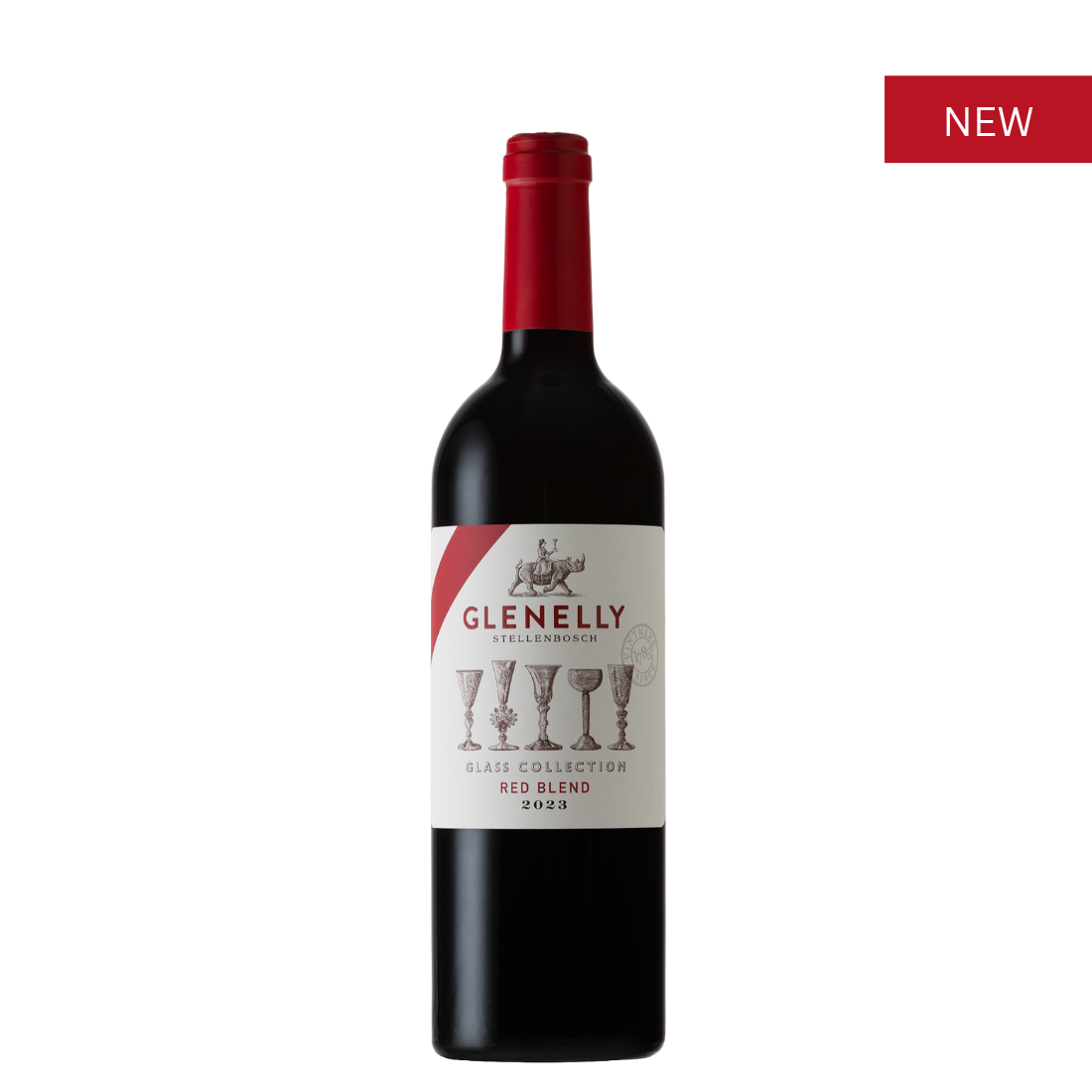
50% Cabernet Sauvignon, 17% Syrah, 15% Cabernet Franc, 14% Merlot and 4% Petit Verdot
PRODUCTION
5671 cases – 34028 bottles
Analysis
Alcohol: 14.36 %
Total Acidity: 5.2 g/L
pH: 3.76
Residual Sugar: 2.1 g/L
Glass Collection Red Blend Tasting Notes